
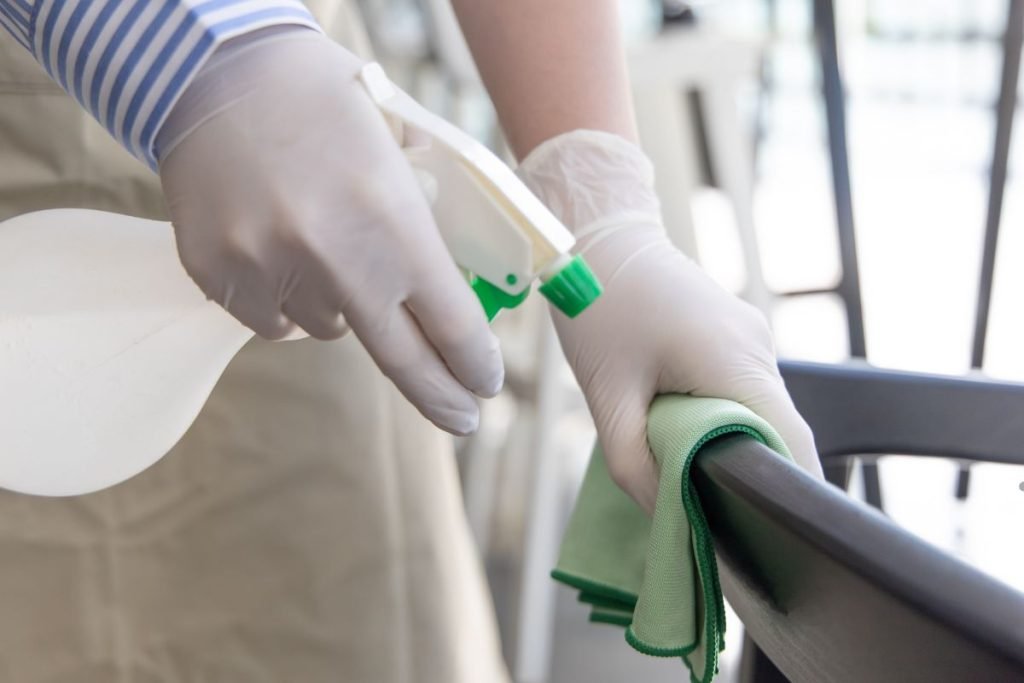
Do you suspect mold or excessive dust is circulating through your home via your HVAC system? Residential HVAC cleaning and mold remediation are crucial for maintaining a healthy and comfortable home environment. A clean HVAC system not only improves indoor air quality but also enhances energy efficiency and prevents potential health hazards. Read on to discover how to identify issues, understand the cleaning and remediation processes, and choose the right professionals to help.
Why HVAC Cleaning and Mold Remediation Matters
- The Silent Threat in Your Home: Your HVAC system plays a vital role in maintaining home comfort, but it can also become a breeding ground for mold, bacteria, dust mites, and other allergens. Each time your system operates, these contaminants can circulate through your home, potentially affecting your health.Our professional mold remediation services ensure a cleaner, healthier indoor environment. Contact us today!
- Understanding HVAC Systems: HVAC (Heating, Ventilation, and Air Conditioning) systems are designed to regulate temperature and airflow. However, they are also susceptible to collecting dust, pollen, and moisture, which can lead to mold growth.
- Why Indoor Air Quality Matters: Poor indoor air quality can trigger allergies, asthma, and other respiratory problems. Cleaning and mold remediation improve air quality, creating a healthier living environment for you and your family.
Identifying the Problem: Recognizing the Signs
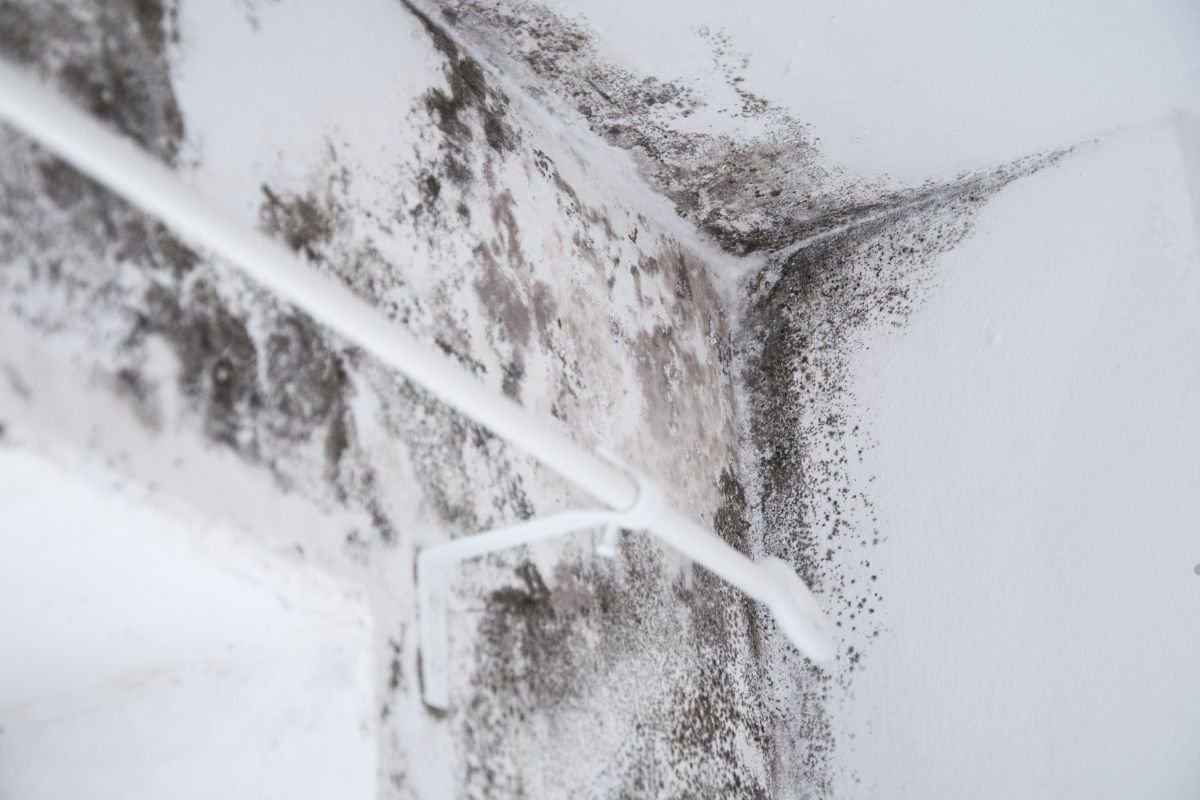
Is your HVAC system sending you warning signals? It’s crucial to recognize the signs that indicate your system needs professional attention.
- Visible Mold Growth: Obvious signs of mold on or around your vents or within the system itself is a red flag.
- Unusual Odors: A musty or moldy smell coming from your vents is a strong indicator of mold growth inside the ductwork.
- Increased Allergies/Respiratory Issues: If you experience more frequent allergy symptoms, coughing, sneezing, or other respiratory problems, your HVAC system might be contributing to the issue.
- Inconsistent Airflow: Reduced airflow from vents can be a sign of blocked ducts due to dust or debris.
- Rising Energy Bills: A struggling HVAC system, clogged with dirt, has to work harder and consumes more energy. This leads to higher energy bills.
The Risks of Neglecting Your HVAC System
Ignoring the signs of a dirty or mold-infested HVAC system can lead to serious consequences, including poor indoor air quality, increased allergy symptoms, and reduced system efficiency. Mold growth within your HVAC can spread spores throughout your home, posing health risks to your family.Don’t wait until the problem worsens—contact us today for professional HVAC mold remediation services!
The Health Hazards of Mold and Dust:
- Respiratory Problems: Mold spores and dust particles can irritate the lungs and airways, leading to breathing difficulties.
- Allergic Reactions: Common allergens like dust mites and mold can trigger allergic reactions, causing sneezing, itchy eyes, and skin rashes.
- Asthma Triggers: Mold and dust can exacerbate asthma symptoms, leading to more frequent and severe asthma attacks.
- Compromised Immune System: Prolonged exposure to mold can weaken the immune system, making you more susceptible to illness.
- Inefficient System Operation: Dust and debris buildup restricts airflow, causing your HVAC system to work harder and less efficiently.
- Increased Energy Consumption: A struggling system consumes more energy to maintain the desired temperature, leading to higher energy bills.
- Fire Hazards: A buildup of dust and lint near electrical components can create a fire hazard.
A dirty HVAC system can lead to inefficiency, higher energy costs, and even safety risks. Dust and debris buildup restrict airflow, making your system work harder and consume more energy. In severe cases, accumulated dust near electrical components can become a fire hazard. Don’t take chances—call us today for professional HVAC cleaning and maintenance!
HVAC Cleaning: What It Entails
The HVAC cleaning process involves more than just wiping down visible surfaces. It’s a comprehensive procedure to eliminate contaminants and restore system efficiency.
The HVAC Cleaning Process: A Step-by-Step Guide:
- Inspection and Assessment: A thorough inspection of the HVAC system to identify the extent of the contamination and the presence of mold.
- Source Removal: Removing any visible mold growth or debris from accessible areas.
- Thorough Cleaning: Using specialized equipment to clean the ductwork, coils, and other components of the HVAC system.
- Sanitization and Disinfection: Applying EPA-registered sanitizers and disinfectants to kill remaining mold spores and bacteria.
- Final Inspection and Testing: A final inspection to ensure the system is clean and functioning properly. Air quality testing can be performed to verify the effectiveness of the cleaning.
Mold Remediation: A Deeper Dive
When mold is present in your HVAC system, it requires a more specialized approach than simple cleaning. Mold remediation focuses on safely removing and preventing future growth.
Understanding Mold Remediation in HVAC Systems:
- Mold Identification: Identifying the type of mold present to determine the appropriate remediation methods.
- Containment Procedures: Sealing off the affected area to prevent mold spores from spreading to other parts of the home.
- Removal and Cleaning: Carefully removing the mold from the HVAC system and surrounding surfaces.
- Disinfection and Prevention: Applying disinfectants to kill remaining mold spores and implementing measures to prevent future mold growth.
Choosing the Right Professional
Selecting a qualified and experienced HVAC cleaning and mold remediation company is crucial for ensuring the job is done safely and effectively.
Selecting an HVAC Cleaning and Mold Remediation Company:
- Experience and Expertise: Look for a company with a proven track record and extensive experience in HVAC cleaning and mold remediation.
- Certifications and Licensing: Verify that the company is licensed and certified by relevant organizations.
- Insurance Coverage: Ensure the company carries adequate insurance to protect you in case of accidents or damage.
- Reputation and Reviews: Read online reviews and ask for references to assess the company’s reputation.
- Transparent Pricing: Get a detailed quote outlining the scope of work and the associated costs.
Prevention and Maintenance
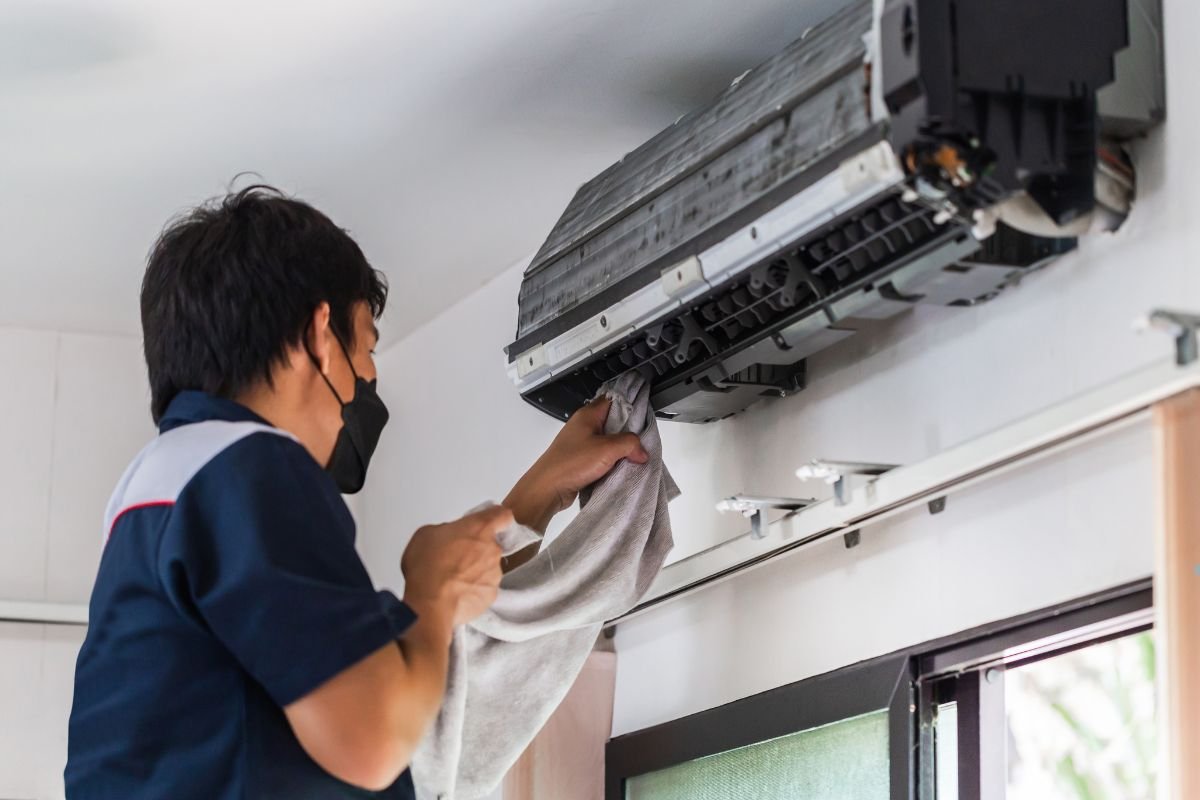
Once your HVAC system is clean and free of mold, it’s essential to take steps to prevent future problems.
Maintaining a Healthy HVAC System:
- Regular Filter Changes: Change your air filters every 1-3 months to prevent dust and debris buildup.
- Scheduling Routine Inspections: Have your HVAC system inspected and serviced annually by a qualified technician.
- Controlling Humidity Levels: Maintain proper humidity levels in your home to prevent mold growth.
- Addressing Leaks Promptly: Repair any leaks in your HVAC system or ductwork to prevent moisture buildup.
- Proper Ventilation: Ensure adequate ventilation in your home to reduce humidity and remove pollutants.
Cost Considerations
Understanding the costs involved in HVAC cleaning and mold remediation can help you budget accordingly.
Understanding the Costs of HVAC Cleaning and Mold Remediation:
- Factors Affecting Cost: The cost depends on the size of your home, the extent of the contamination, and the complexity of the HVAC system.
- Getting Multiple Quotes: Obtain quotes from several companies to compare pricing and services.
- Understanding the Value of Professional Service: While DIY methods might seem like a quick fix, professional HVAC cleaning and mold remediation ensure a deeper, long-lasting solution. Call us today for expert service and a healthier home!
FAQ: Frequently Asked Questions About HVAC Cleaning and Mold Remediation
How often should I have my HVAC system cleaned?
It’s generally recommended to have your HVAC system cleaned every 1-3 years, depending on factors such as the presence of pets, allergies, or respiratory issues.
What are the signs of mold in my HVAC system?
Signs of mold include visible mold growth, musty odors, increased allergy symptoms, and respiratory problems.
Can I clean my HVAC system myself?
While you can clean accessible areas and change filters, professional cleaning is recommended for thorough removal of contaminants from the ductwork and other components.
How much does HVAC cleaning and mold remediation cost?
The cost varies depending on the factors mentioned above. It’s best to get a free quote from a qualified professional.
Is HVAC cleaning and mold remediation covered by my insurance?
Some insurance policies may cover mold remediation if it’s caused by a covered peril, such as a water leak. Contact your insurance provider to inquire.
How long does HVAC cleaning and mold remediation take?
The duration depends on the extent of the problem and the size of the system. Cleaning may take a few hours, while remediation can take several days.
Breathe Easier, Live Healthier: Invest in Your Indoor Air Quality
Investing in residential HVAC cleaning and mold remediation is crucial for maintaining a healthy home environment. By enhancing indoor air quality, you can ensure a safer and more comfortable space for you and your family. Don’t wait for issues to develop—take proactive measures to keep your HVAC system clean and efficient. Contact us today to schedule a professional inspection and safeguard your home’s air quality!
