
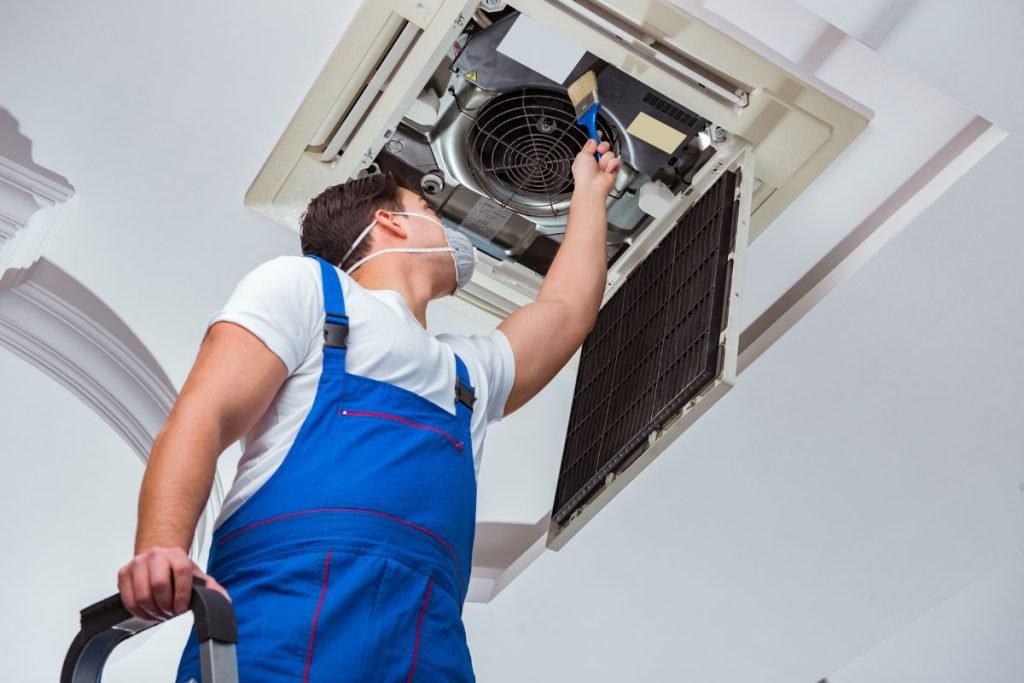
Mold in your HVAC system is a serious problem that can affect your health, comfort, and energy bills. The good news is, with the right knowledge and action, you can tackle it effectively. This guide will walk you through identifying mold, understanding its dangers, exploring DIY removal options (when appropriate), knowing when to call a professional, and, most importantly, preventing future growth.
Identifying Mold in Your HVAC System
Mold thrives in dark, damp conditions, making your HVAC system an ideal environment for growth. Detecting mold early is essential to prevent it from spreading and leading to more serious issues. If you notice signs of mold, our expert HVAC mold remediation services can help! Contact us today for a professional inspection.
- Signs of Mold Growth: Visually inspect your HVAC unit. Mold often appears as fuzzy or slimy patches, typically black, green, brown, or white. Look for it on the interior components of your unit.
- Where Mold Commonly Grows in HVAC Units: The most common places to find mold include the evaporator coils, drain pan, air ducts, and even the furnace itself. Check these areas carefully.
- Other Indicators: A persistent musty or moldy odor is a strong indicator of mold presence, even if you can’t see it.
Use a flashlight to carefully examine dark areas within your HVAC unit and ductwork. Watch for signs of mold, such as dark spots or fuzzy patches, that may indicate growth.
The Dangers of Mold Exposure
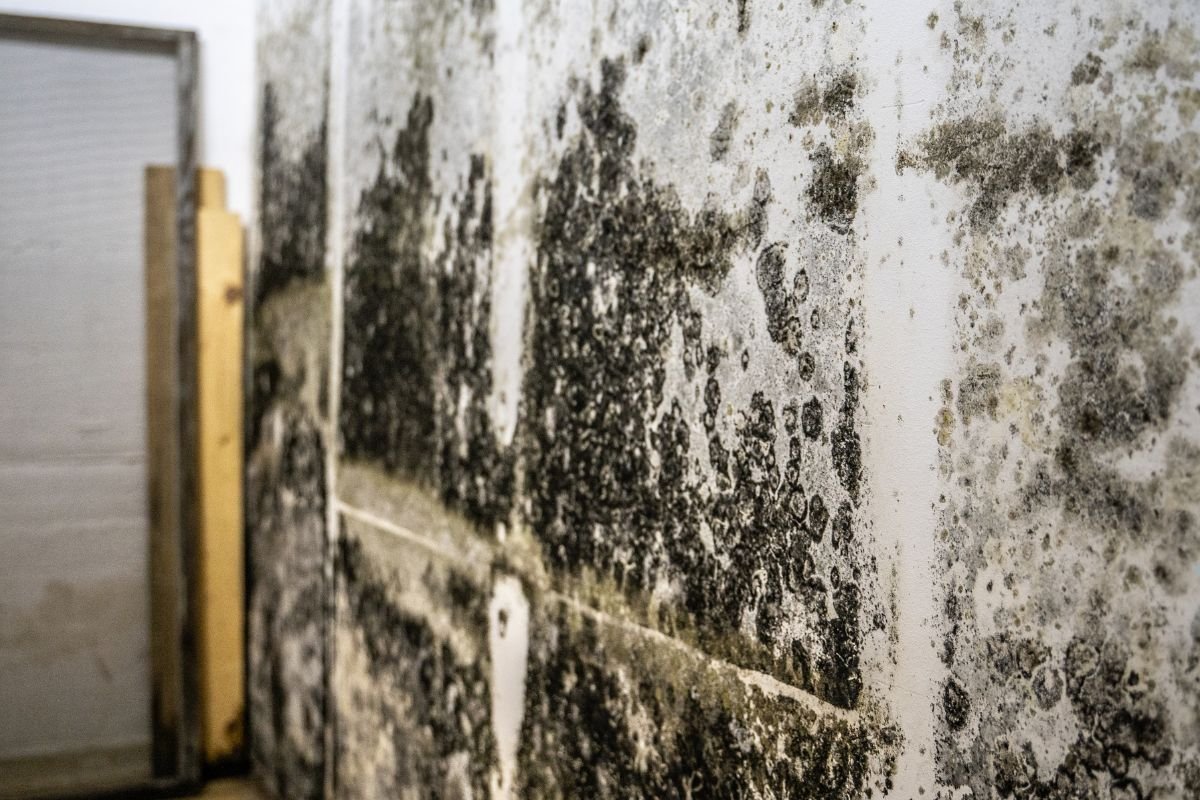
Mold isn’t just unsightly; it can be harmful to your health. Exposure to mold spores can trigger a variety of health issues:
- Health Risks Associated with Mold: Common symptoms include allergic reactions, respiratory problems (coughing, wheezing, shortness of breath), skin irritation, and eye irritation. People with asthma or compromised immune systems are particularly vulnerable. Long-term exposure can lead to more severe health complications.
Are you concerned that mold or excessive dust is spreading through your home via your HVAC system? Professional HVAC cleaning and mold remediation are essential for ensuring a healthy and comfortable living space. A well-maintained HVAC system improves indoor air quality, boosts energy efficiency, and helps prevent potential health risks. Keep reading to learn how to spot issues, understand the cleaning and remediation process, and find the right experts for the job. For more details, check out our blog: HVAC Mold Remediation Guide.
DIY Mold Removal: When and How
If the mold growth is minor and localized, you might be able to tackle it yourself. However, it’s essential to proceed with caution and understand the limitations of DIY removal.
- DIY Mold Removal Steps: Turn off your HVAC system. Wear appropriate safety gear (gloves, mask, eye protection). Use a mold-specific cleaner or a solution of bleach and water (1 part bleach to 10 parts water) to clean the affected areas. Be sure to follow the product instructions carefully. Thoroughly dry the cleaned areas. Remember this is only for small, easily accessible mold.
- Safety Precautions for Mold Removal: Always wear a respirator mask rated for mold spores N-95 or higher. Wear gloves and eye protection to prevent skin and eye irritation. Ensure proper ventilation by opening windows and using fans.
Before tackling mold removal yourself, evaluate the severity of the issue. If the affected area exceeds 10 square feet or is hard to reach, professional assistance is recommended. Call us today for expert help!
When to Call a Professional
There are several situations where professional mold remediation is necessary:
- Large Infestations: If the mold covers a significant area (more than 10 square feet).
- Recurring Mold: If you’ve cleaned the mold yourself, and it returns shortly after.
- Health Concerns: If you or someone in your household is experiencing severe health symptoms related to mold exposure.
- Hidden Mold: If you suspect mold is growing in inaccessible areas like inside ductwork.
A professional HVAC technician or mold remediation specialist has the expertise, equipment, and training to safely and effectively remove mold, address the underlying cause, and prevent future growth.
Preventing Mold Growth in Your HVAC System
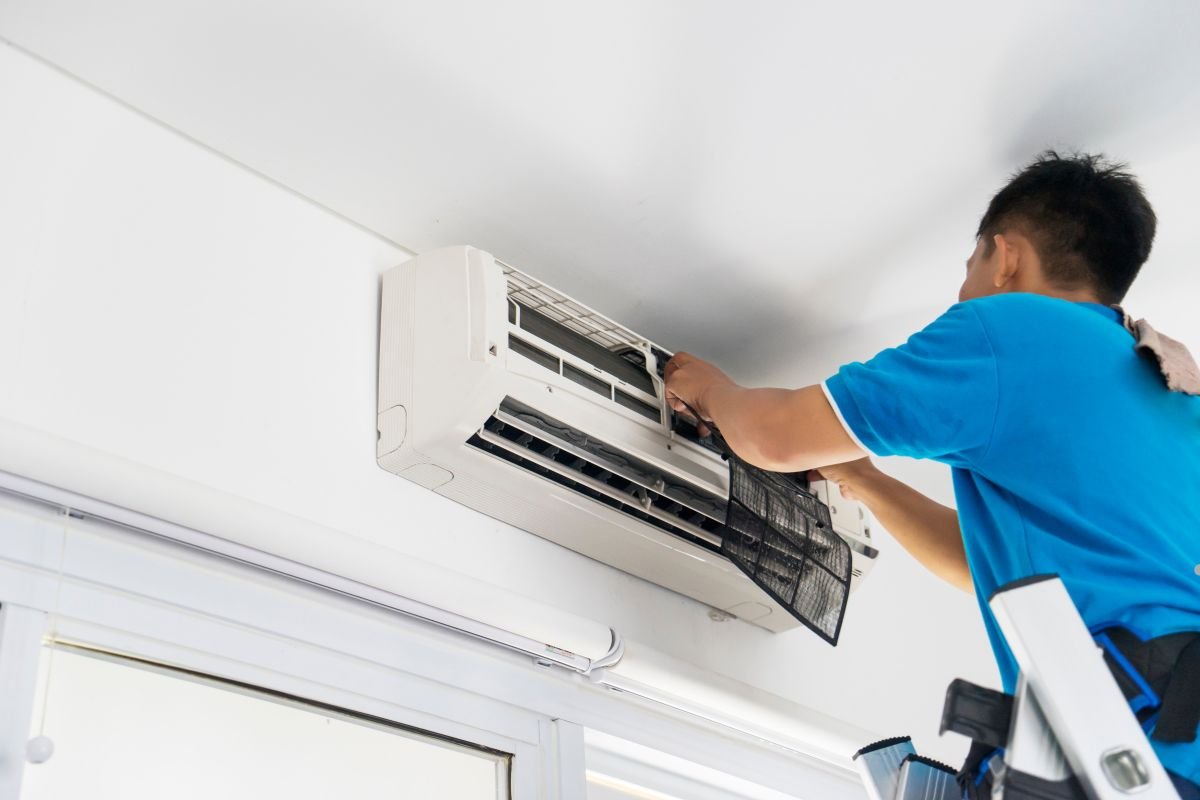
Prevention is always better than cure. Here are some proactive steps you can take to minimize the risk of mold growth in your HVAC system:
- HVAC Maintenance Tips: Schedule regular HVAC maintenance with a qualified technician. This includes cleaning the coils, drain pan, and other components, as well as inspecting for leaks or other issues.
- Humidity Control Strategies: Mold thrives in high humidity. Use a dehumidifier to keep indoor humidity levels below 60%. Ensure proper ventilation in bathrooms and kitchens. Fix any leaks promptly. Consider using a whole-house ventilation system.
- Air Filter Replacement: Replace your air filters regularly (every 1-3 months). This helps to remove dust and debris that can contribute to mold growth. Use high-quality filters with a MERV rating of 8 or higher. Consider UV lights which will kill mold spores.
“Invest in a good quality dehumidifier for your home, especially if you live in a humid climate. Maintaining a humidity level between 30-50% can significantly reduce the risk of mold growth.”
Breathe Easier with a Mold-Free HVAC
Handling mold in your HVAC system may feel overwhelming, but recognizing the risks, spotting early signs, and taking prompt action can safeguard both your health and home. Whether addressing minor mold concerns yourself or seeking professional assistance, ensuring a mold-free HVAC system is essential for your well-being. Call us today for expert solutions!
Frequently Asked Questions (FAQs)
What are the first signs of mold in an HVAC system?
The first signs often include a musty odor coming from your vents, visible mold growth on or around the unit, and increased allergy symptoms.
Can mold in my HVAC system make me sick?
Yes, mold exposure can cause a variety of health problems, including allergies, respiratory issues, and skin irritation.
How often should I have my HVAC system inspected for mold?
It’s recommended to have your HVAC system inspected for mold at least once a year, especially if you live in a humid climate.
Can I use bleach to kill mold in my HVAC system?
While bleach can kill mold, it’s important to use it safely and effectively. Always dilute bleach with water (1 part bleach to 10 parts water) and wear protective gear. For large infestations, it’s best to call a professional.
How much does professional mold remediation cost?
The cost of professional mold remediation depends on the severity of the issue and the size of your HVAC system. Reach out to us for a free estimate and let our experts help restore clean, healthy air in your home. Contact us today!
