
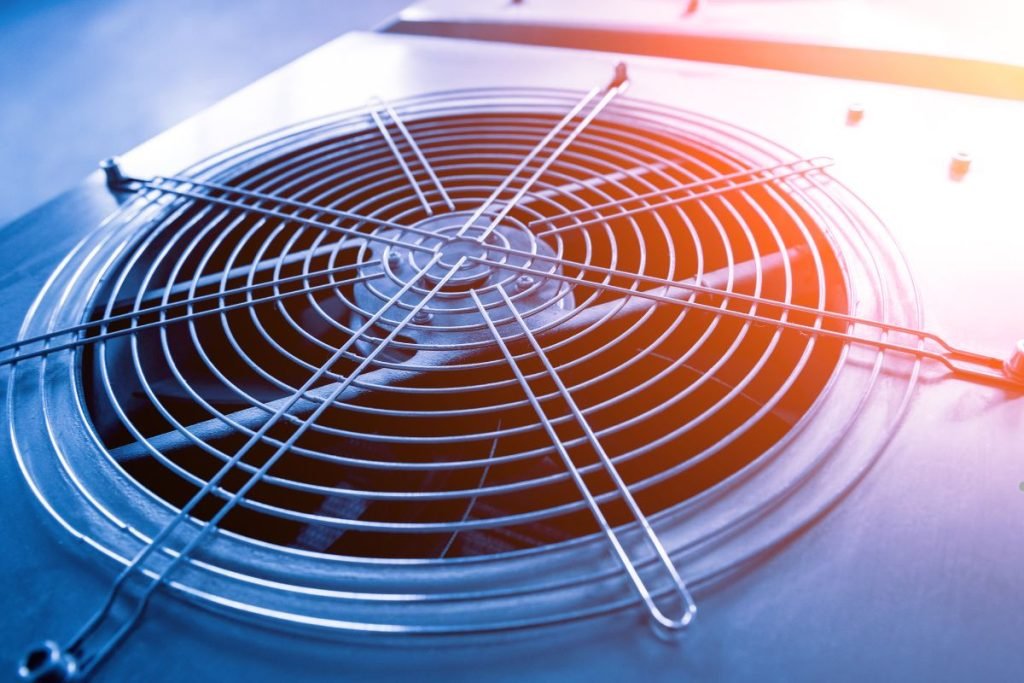
Do you want a comfortable, healthy, and energy-efficient home? HVAC (Heating, Ventilation, and Air Conditioning) systems are the key. This comprehensive guide will walk you through everything you need to know about HVAC – from understanding the different types of systems to choosing the right one, maintaining it properly, troubleshooting common problems, and improving its efficiency.
1. Introduction to HVAC
HVAC stands for Heating, Ventilation, and Air Conditioning. It’s the technology that controls the temperature, humidity, and air quality in your home or building. In essence, it keeps you comfortable, healthy, and helps you save money on energy bills. Without a properly functioning HVAC system, you might suffer from extreme temperatures, poor air quality, and significantly higher energy costs.
- The Basic Components of an HVAC System: An HVAC system comprises various components working together. These typically include a furnace or heat pump for heating, an air conditioner for cooling, a ventilation system for air circulation, and a thermostat to control the temperature.
- HVAC System Benefits: Comfort, Health, and Energy Savings: A well-maintained HVAC system offers several benefits, including consistent temperatures, improved indoor air quality, and reduced energy consumption. Poor air quality can exacerbate allergies and respiratory problems. Efficient systems save you money.
2. Understanding HVAC Systems
The United States uses a variety of HVAC systems, each tailored to specific climates, home sizes, and budgets. Let’s explore the most common types:
- Central Air Conditioning Systems: These systems use a network of ducts to distribute cooled air throughout your home. They are efficient and provide consistent cooling.
- Furnaces (Gas, Electric, Oil): Furnaces heat air and circulate it through ducts. Gas furnaces are the most common due to their efficiency and lower operating costs.
- Heat Pumps: These versatile systems can both heat and cool your home by transferring heat from one place to another. They are very energy efficient, especially in moderate climates.
- Ductless Mini-Split Systems: These systems are ideal for homes without ductwork or for targeting specific rooms. They offer individual temperature control and are energy-efficient.
- Evaporative Coolers (Swamp Coolers): In dry climates, evaporative coolers use water evaporation to cool the air. They’re an energy-efficient alternative to air conditioning in certain regions.
Call us now for Expert HVAC guidance and service!
3. Choosing the Right HVAC System
Selecting the right HVAC system for your home involves considering various factors to ensure optimal comfort, efficiency, and cost-effectiveness.
- Home Size and Layout: The size of your home determines the necessary heating and cooling capacity. A system that is too small will struggle to maintain the desired temperature, while one that is too large will cycle on and off frequently, wasting energy.
- Climate Considerations: The climate in your region is a crucial factor. Heat pumps are efficient in moderate climates, while furnaces may be more suitable for colder regions. Air conditioning is essential in hot and humid climates.
- Energy Efficiency (SEER, AFUE, HSPF Ratings): Look for systems with high energy efficiency ratings. SEER (Seasonal Energy Efficiency Ratio) measures cooling efficiency, AFUE (Annual Fuel Utilization Efficiency) measures heating efficiency for furnaces, and HSPF (Heating Seasonal Performance Factor) measures heating efficiency for heat pumps.
- Budget and Installation Costs: Consider the initial cost of the system, as well as the installation costs and long-term operating costs. Energy-efficient systems may have a higher upfront cost but can save you money in the long run.
- Local Codes and Regulations: Check local building codes and regulations to ensure that the HVAC system meets all requirements.
Keeping your home safe and mold-free is essential for a healthy living environment. Explore our services to learn more about our expert mold removal and remediation solutions. From inspections to complete mold remediation, we’re here to help!
4. HVAC Maintenance and Care
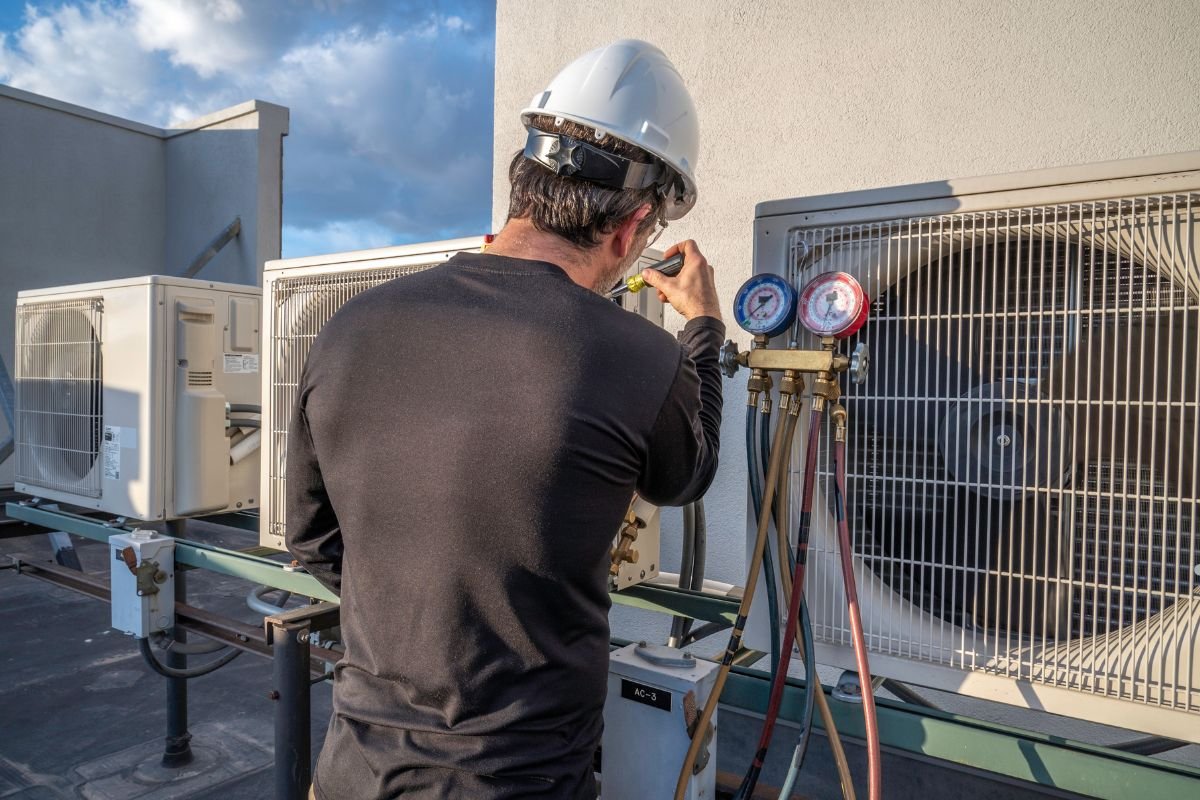
Regular maintenance is essential for keeping your HVAC system running efficiently and extending its lifespan. Neglecting maintenance can lead to decreased performance, higher energy bills, and costly repairs.
- Importance of Regular Maintenance: Regular maintenance can prevent minor issues from turning into major problems. It also ensures that the system is operating at peak efficiency, saving you money on energy bills.
- DIY HVAC Maintenance Tasks (Changing Filters, Cleaning Vents): Homeowners can perform simple maintenance tasks, such as changing air filters regularly (every 1-3 months) and cleaning vents to remove dust and debris.
- When to Call a Professional: Some maintenance tasks are best left to professionals, such as inspecting and cleaning coils, checking refrigerant levels, and calibrating thermostats.
- Spring and Fall HVAC Checklist: Creating a seasonal checklist for HVAC maintenance can help you stay on top of important tasks.
Call us now for a full HVAC system checkup!
5. HVAC Repairs and Troubleshooting
Even with regular maintenance, HVAC systems can experience problems. Here are some common issues and potential solutions:
- AC Not Cooling: Check the thermostat settings, air filter, and outdoor unit. Make sure the condenser is clean and not blocked by debris.
- Furnace Not Heating: Check the thermostat, gas supply, and pilot light (if applicable). Ensure the air filter is clean and the vents are open.
- Strange Noises: Unusual noises can indicate various problems, such as a loose fan belt, a failing motor, or a refrigerant leak.
- Leaks and Water Damage: Leaks can cause water damage and indicate problems with the condensate drain or refrigerant lines.
- Thermostat Issues: Thermostat problems can prevent the system from turning on or maintaining the desired temperature.
6. Improving HVAC Efficiency
Making your HVAC system energy-efficient can significantly reduce your energy bills and environmental impact.
- Sealing Air Leaks: Seal air leaks around windows, doors, and other openings to prevent drafts and improve energy efficiency.
- Upgrading Insulation: Proper insulation helps to keep your home warmer in the winter and cooler in the summer, reducing the workload on your HVAC system.
- Using a Programmable Thermostat: Programmable thermostats allow you to set different temperatures for different times of the day, reducing energy consumption when you’re away or asleep.
- Regular HVAC Maintenance: Regular maintenance ensures that your HVAC system is operating at peak efficiency.
- Consider Zoning Your Home: Zoning allows you to control the temperature in different areas of your home, reducing energy consumption in unused spaces.
Discover our expert Water Damage Restoration Services to protect your home from moisture issues and prevent mold growth. We provide fast and effective solutions to restore your property and ensure a safe living environment.
7. Indoor Air Quality and HVAC
Your HVAC system plays a vital role in maintaining healthy indoor air quality.
- Air Filtration Systems: Air filters remove dust, pollen, and other pollutants from the air, improving air quality and reducing allergy symptoms.
- Humidifiers and Dehumidifiers: Humidifiers add moisture to the air, while dehumidifiers remove excess moisture. Maintaining optimal humidity levels can improve comfort and prevent mold growth.
- UV Lights for Air Purification: UV lights can kill bacteria, viruses, and other microorganisms in the air, improving air quality and reducing the risk of illness.
- Importance of Duct Cleaning: Dirty ducts can harbor dust, pollen, and mold, which can circulate throughout your home. Regular duct cleaning can improve air quality.
8. HVAC Replacement
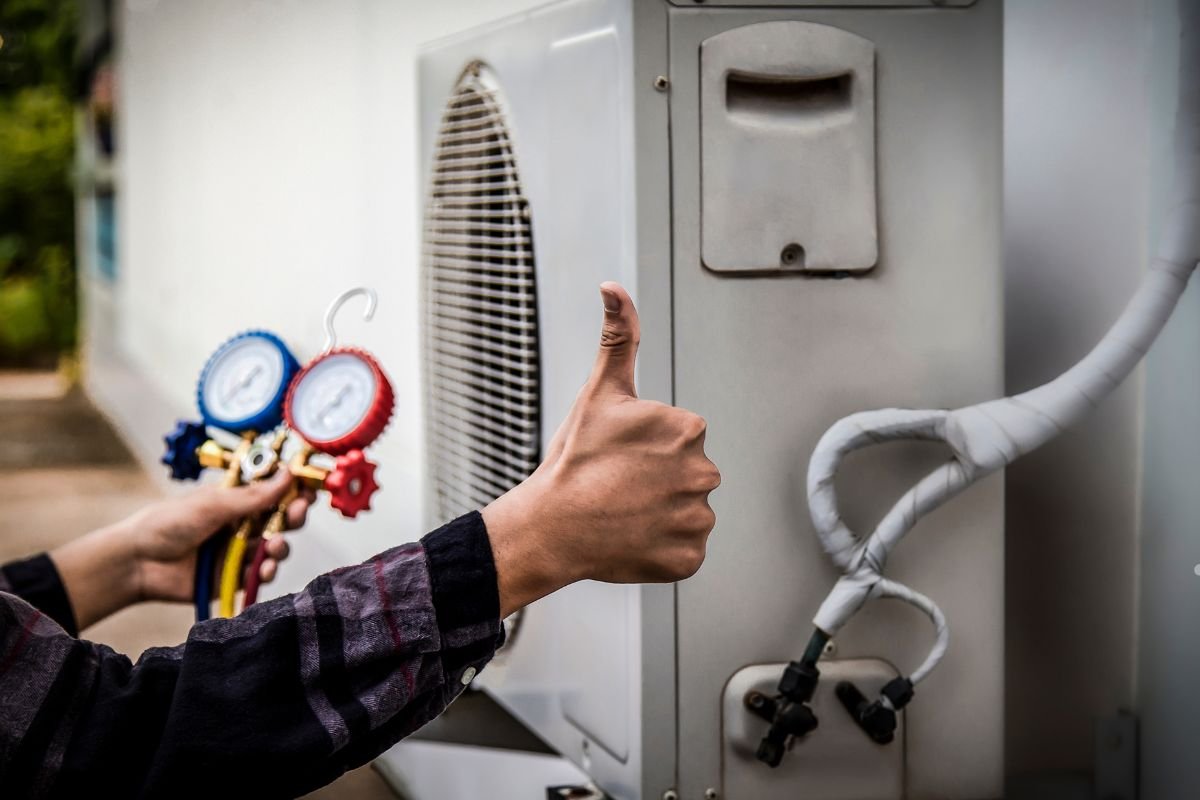
Eventually, your HVAC system will need to be replaced. Knowing when to replace your system can save you money and prevent uncomfortable breakdowns.
- Signs Your HVAC System Needs Replacing: Common signs include frequent repairs, rising energy bills, inconsistent temperatures, and a system that is more than 10-15 years old.
- Benefits of Upgrading to a New System: New systems are more energy-efficient, quieter, and offer improved performance. They can also come with advanced features like smart thermostats and zoning capabilities.
- Finding a Reputable HVAC Contractor: Choose a licensed and insured contractor with a good reputation.
- Financing Options for HVAC Replacement: Explore financing options to make the cost of replacement more manageable.
9. Finding a Qualified HVAC Contractor
Choosing the right HVAC contractor is essential for ensuring quality workmanship and reliable service.
- Checking Credentials and Licensing: Verify that the contractor is licensed and insured.
- Reading Online Reviews and Testimonials: Check online reviews and testimonials to get an idea of the contractor’s reputation.
- Getting Multiple Quotes: Get quotes from multiple contractors to compare prices and services.
- Asking the Right Questions: Ask contractors about their experience, qualifications, and warranty policies.
10. The Future of HVAC Technology
HVAC technology is constantly evolving, with new innovations aimed at improving efficiency, comfort, and sustainability.
- Smart HVAC Systems: Smart systems use sensors and data to optimize performance and provide remote control.
- Geothermal Heating and Cooling: Geothermal systems use the earth’s natural heat to provide heating and cooling.
- Solar-Powered HVAC: Solar-powered systems use solar panels to generate electricity for HVAC equipment.
- Eco-Friendly Refrigerants: New refrigerants are being developed to reduce the environmental impact of HVAC systems.
Conclusion
HVAC systems are essential for maintaining comfortable, healthy, and energy-efficient homes in the US. By understanding the different types of systems, performing regular maintenance, and choosing the right contractor, you can ensure that your HVAC system provides reliable performance for years to come. Whether you need routine maintenance, urgent repairs, or are considering a full system upgrade, remember, [Call us] for expert guidance and service. We are here to help you with all your HVAC need.
Ensure your home stays comfortable year-round with The Ultimate HVAC Guide for US Homeowners! From heating and cooling to air quality tips, we cover it all. Need expert assistance? Contact us today for professional HVAC solutions!
